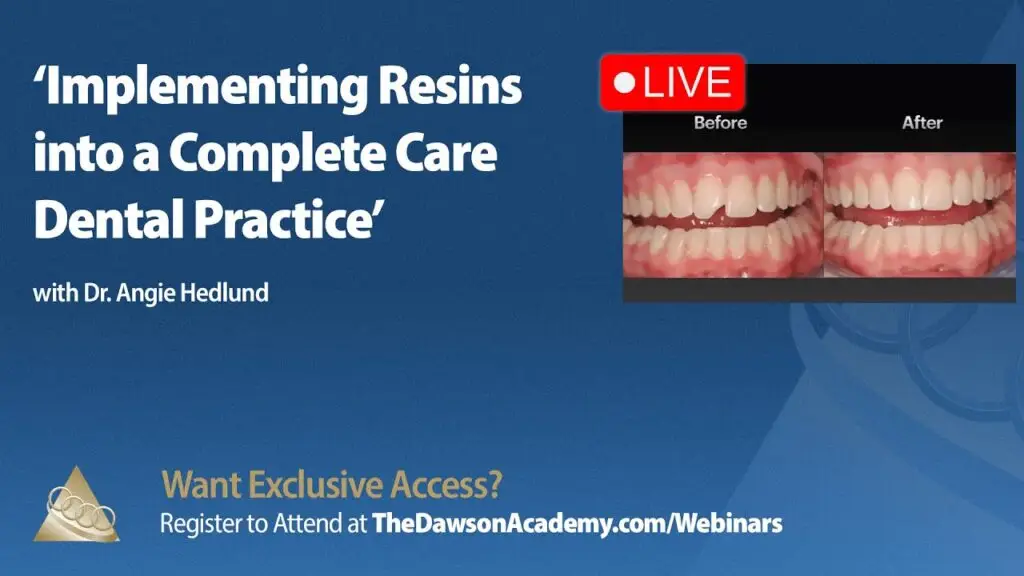
Far too many dentists treat composite resin as an option to offer when a patient says they can’t afford porcelain. And while it may help ease the patient’s concern in the moment, framing composite resin as “the budget option” may be costing you cases (and selling your skills short!) When used by a capable dental […]
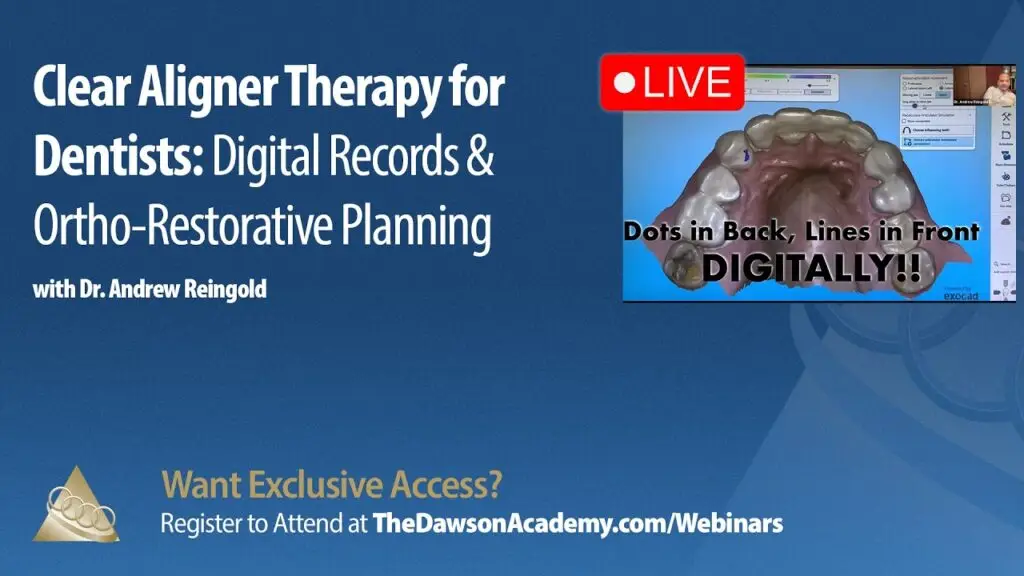
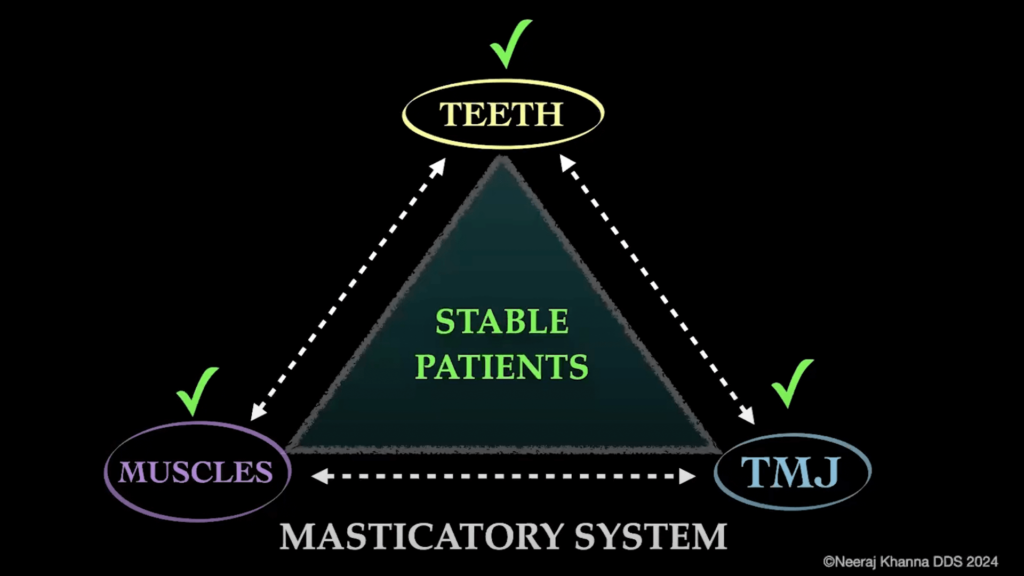
Many dental professionals are apt to file a clear aligner treatment under the “cosmetic” label. Straighten the teeth to achieve an upgraded smile, and the process is done. Right? But ask a clinician who’s watched a ClinCheck turn into a patient returning with sore muscles or an opening bite, and they’ll tell you that there’s […]
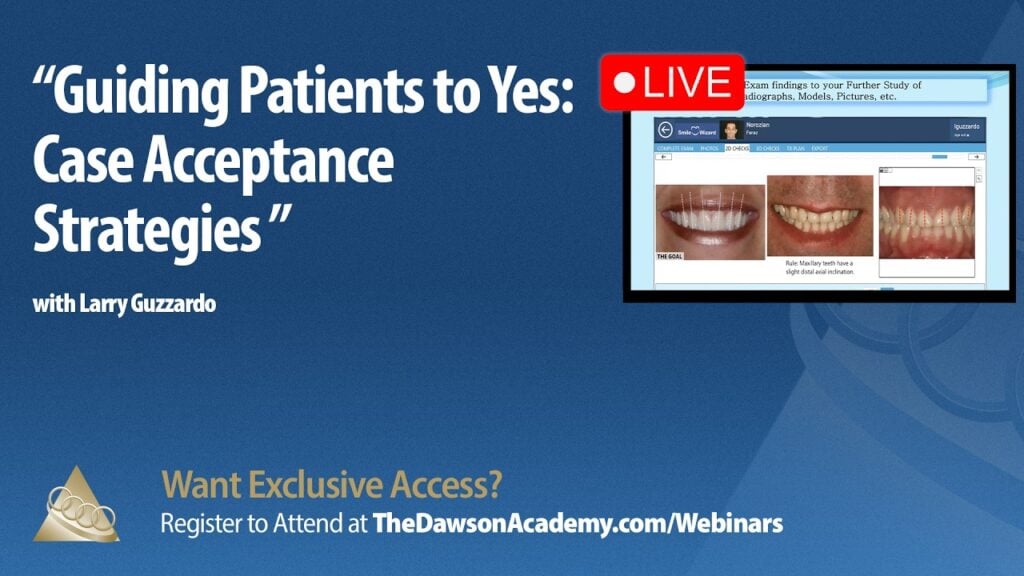
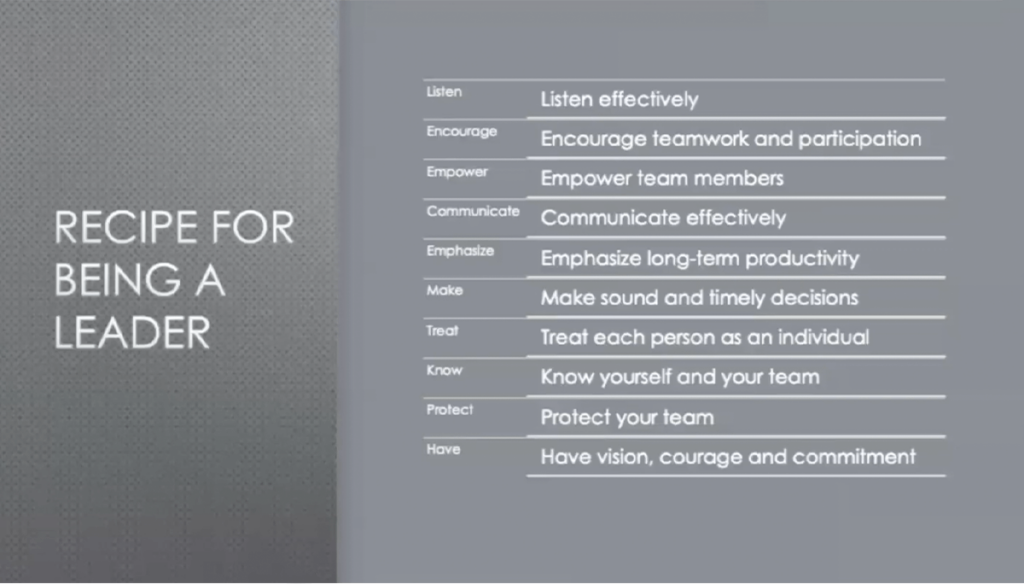
Do you find that your treatment presentations always seem to end with the patient saying, “Let me think about it”? You’ve completed the exam, explained the options, and given them the best possible way forward. Yet they still seem uncertain about the next step to take. The problem may not be your plan or your […]
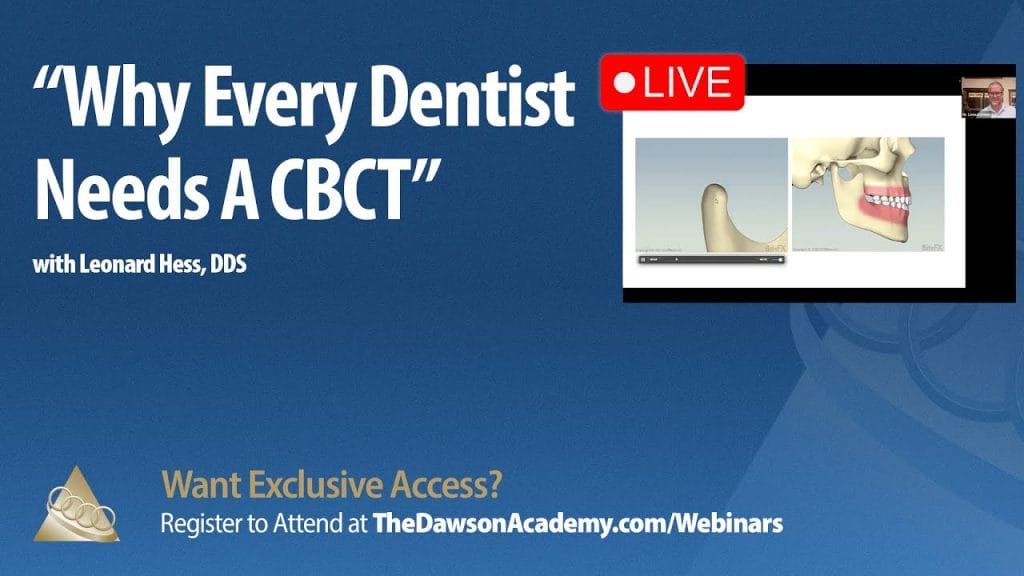
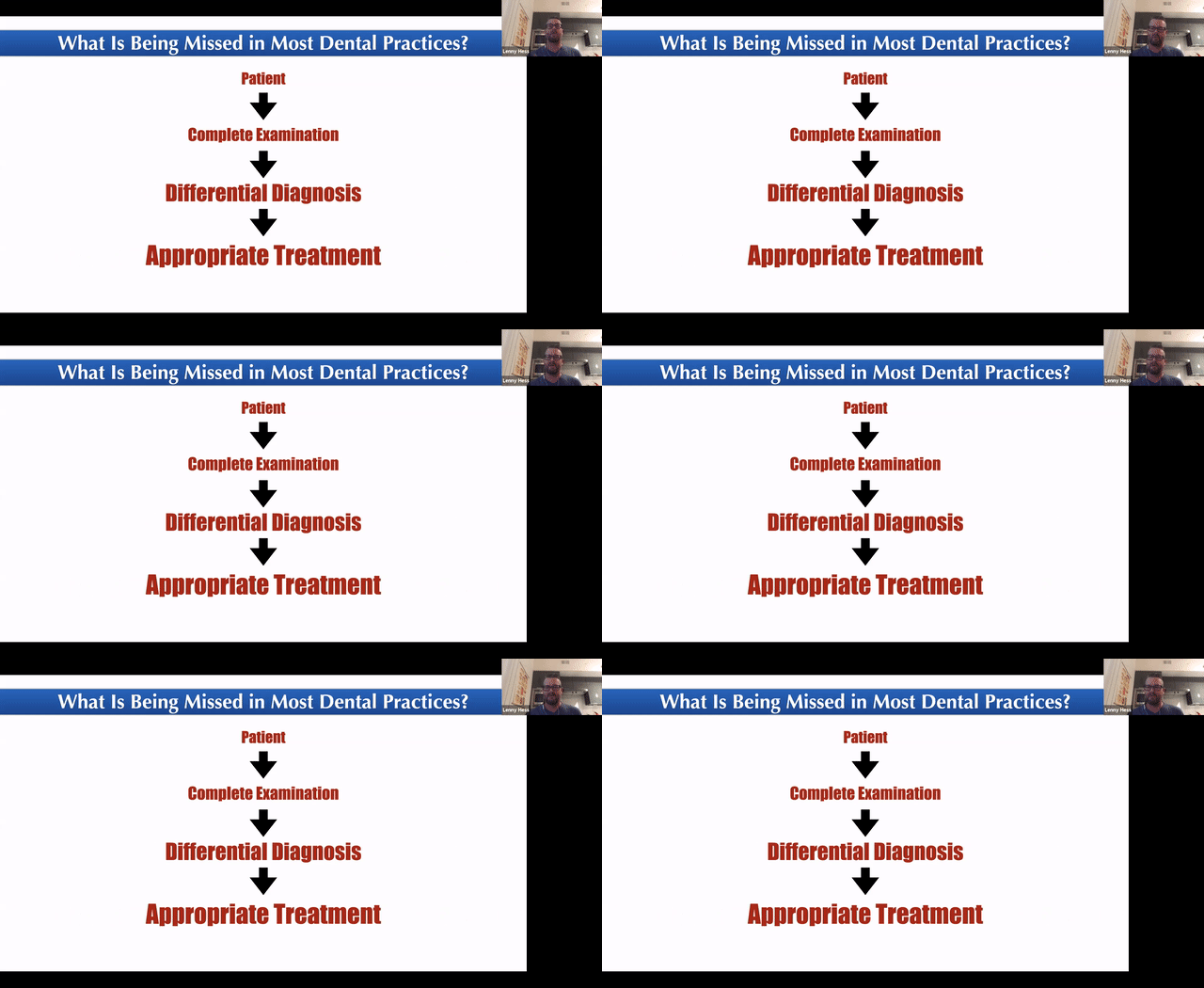
Here’s a tough question: What would you say was the biggest mistake you’ve made in your dental career? For Dr. Lenny Hess, Clinical Director at The Dawson Academy, his answer is clear: waiting too long to invest in CBCT technology. In a recent webinar from The Dawson Academy, Dr. Hess admitted, “I could have afforded one […]