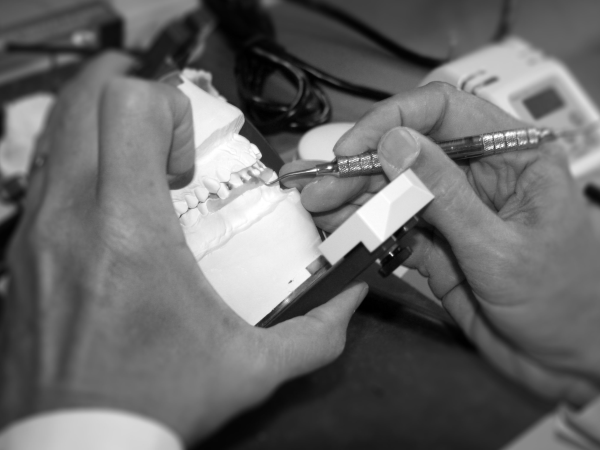
In the practice of complete dentistry the dentist is committed to an examination, diagnosis, and treatment planning process and has developed the skill of recognizing the signs of instability in a patient’s masticatory system. It is our responsibility to offer the patient the most conservative treatment method to achieve the desired end result- a stable, […]
Outside of teaching at The Dawson Academy and maintaining his dental practice, Dr. John Cranham speaks about the Implant-Occlusal Connection. In the following video, Dr. Cranham explains:
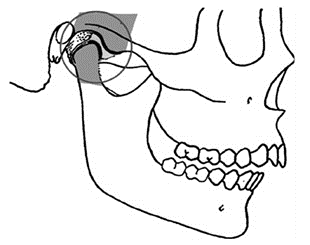
Centric relation is the single most important concept that must be understood by every dentist. Read this article by Dr. Dawson to learn why.
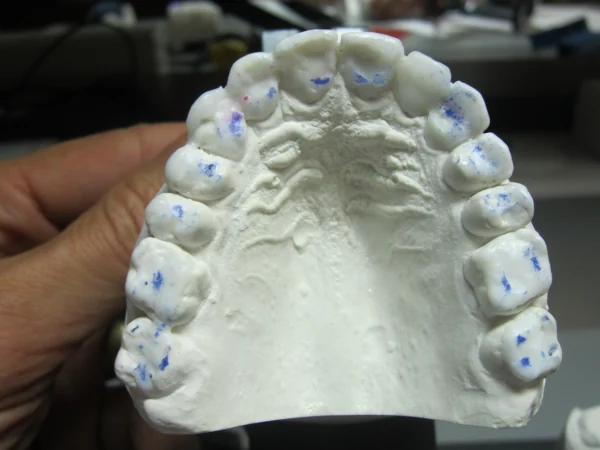
It is not possible to be a “complete” dentist without a comprehensive understanding of occlusion. Occlusion is the foundation for everything a dentist does that involves teeth. A thorough knowledge of occlusion is the basis for understanding why teeth get loose, why they wear excessively, break cusps, fracture restorations, or shift position. Occlusal disharmony is […]

Started by Dr. Peter Dawson, The Dawson Academy has been teaching for decades the importance of understanding occlusion in order to provide patients with predictable, functional, and long-lasting care.
There is nothing more critical for the practicing dentist than the abilities to both recognize occlusal instability and achieve occlusal stability. The fundamental goal of treatment planning is to achieve a result that will not cause breakdown in the stomatognathic system and to provide long-term stability. These 5 requirements of occlusal stability are: 1. Stable […]
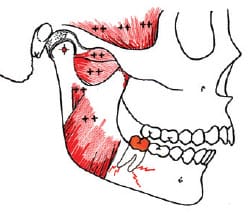
Read this whitepaper by Dr. Pete Dawson on how the disharmony between the TMJs and the occlusion causes harm.
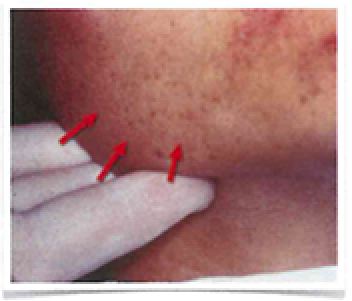
3 Common Bimanual Manipulation Mistakes While many in the profession maintain that bimanual manipulation is too hard to learn, after they are taught the correct technique, dentists attending The Dawson Academy find it not only learnable and repeatable, but choose it as their preferred method for finding and verifying centric relation. One of the keys […]
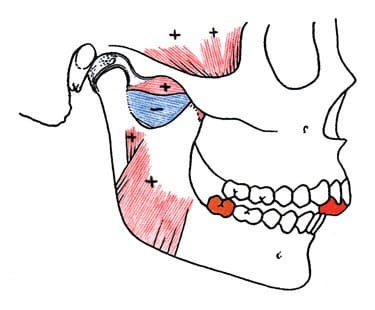
Lucia jigs, NTI’s, Cranham deprogrammers, and Dawson B-Splints all fall into the broad category of temporomandibular joint disorder diagnosis appliances. There are specific reasons as to why you may want to use one type over another when diagnosing a possible TMJ problem, but at their core they all achieve the same goal, getting centric relation […]
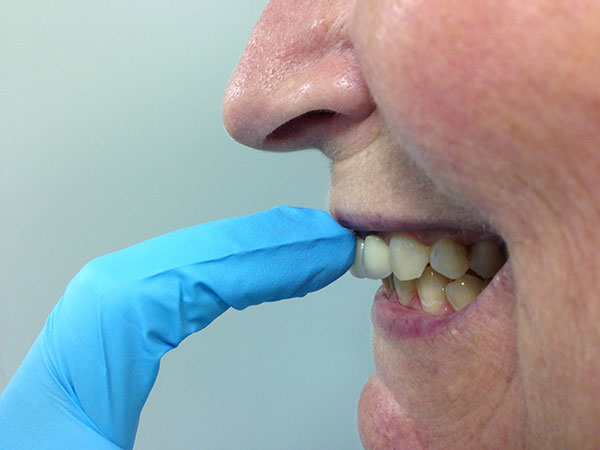
Due to our recent blog on Signs of Occlusal Instability, we’ve received a great comment from one of our followers. The reader asked for a more detailed discussion on checking the fremitus, including the differences between operator’s finger sensation or occlusal overload in the presence of bone resiliency and how it could vibrate the implant […]

By Dr. Shannon Johnson Good Vibrations? As clinicians, the very purpose of our dental exam is to thoroughly evaluate each patient for any sign of instability that will lead to breakdown of the masticatory system. Not including macro-trauma, there are only two simple reasons for the system to break down: 1. Microorganisms (bacteria, viral, fungal) […]
In this whitepaper